What If Humans Disappeared? The Earth One Year Later


Imagine a scenario ripped straight from a science fiction movie: our cities, roads, and massive structures suddenly empty. The planet is void of humans. Experts have fascinating data on what would happen just one year after we are wiped from this planet.
Imagine waking up to find you are the last person on Earth… or rather, you didn’t wake up at all. Humanity has vanished with a snap of a finger. So, how will our legacy—the Earth—react to this situation?
Here is the landscape we would face exactly one year after humanity’s disappearance:
1. Silence and Darkness (The First Hours)
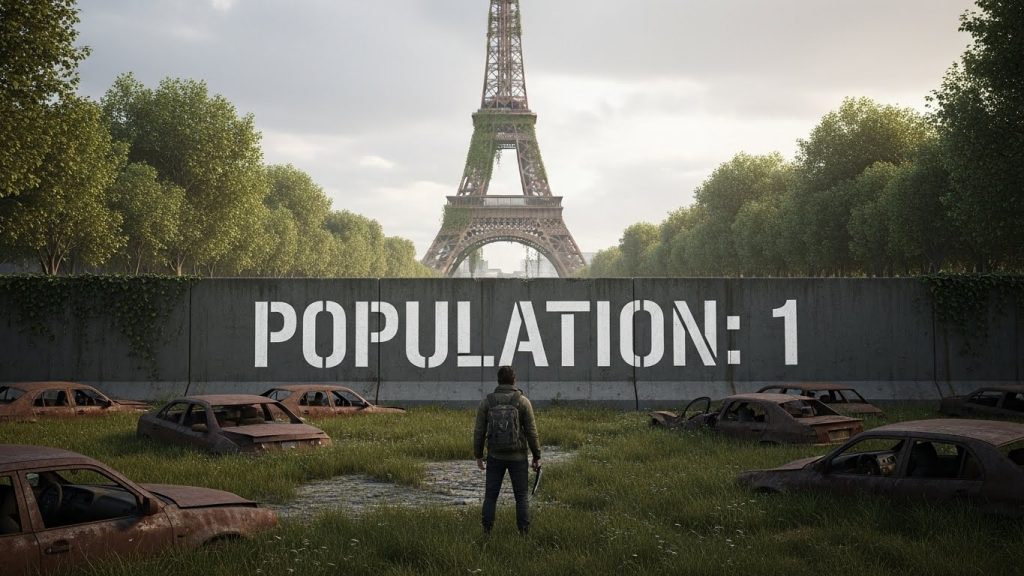
Just hours after humans disappear, lights around the world will begin to go out. Fossil fuel power plants will shut down as they run out of fuel. While solar panels may work for a while, they will lose efficiency as they get covered in dust. Viewed from space, Earth will no longer be a glowing orb, but a dark planet.
2. Nuclear Threat and Fires (The First Months)
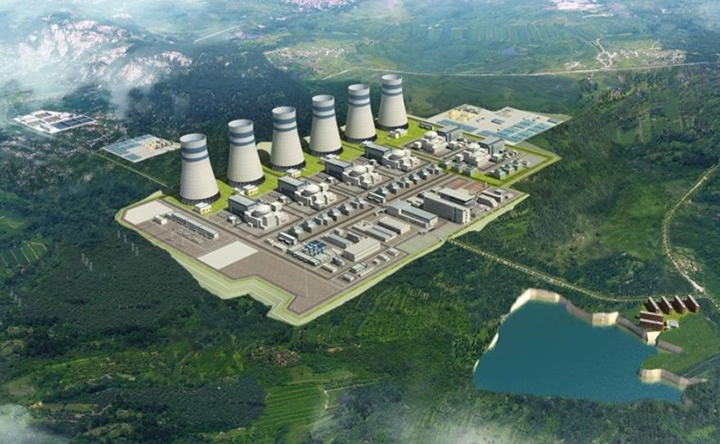
Perhaps the most terrifying process will occur in the first few months. Without human intervention, the cooling systems of nuclear power plants will fail, leading to meltdowns and explosions. However, this radioactive disaster will not stop nature’s return; it will simply create a mutated but surviving ecosystem, much like the example of Chernobyl.
3. The Fall of Concrete Jungles (End of Year 1)
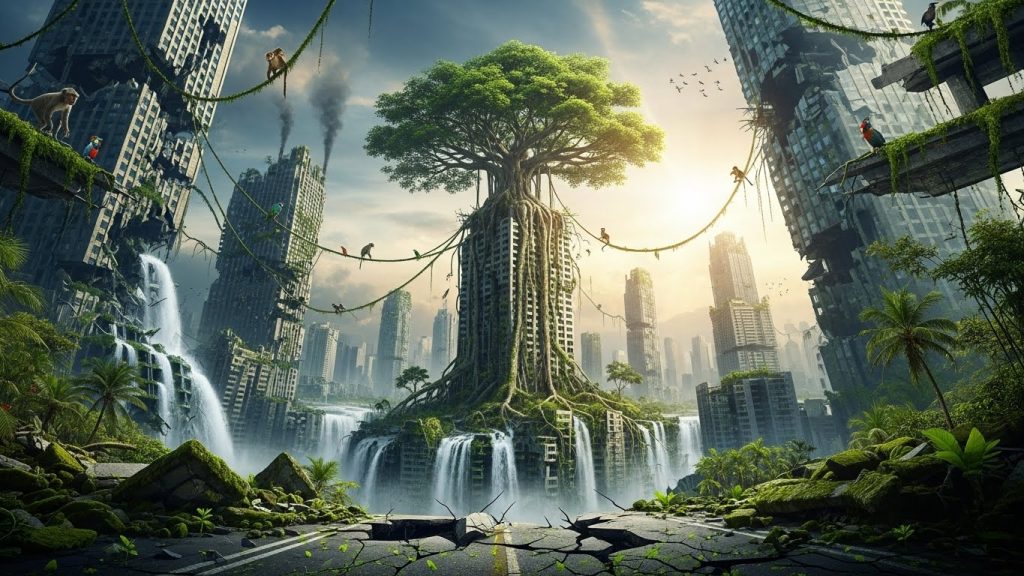
Exactly one year later, the change in cities will become visible:

- The End of Asphalt: Unmaintained roads will crack due to temperature changes and frost. Weeds and tree roots bursting through these cracks will shatter the asphalt, creating an image of nature “eating the concrete.”
- Rising Waters: Without pumps to keep underground tunnels and subways dry, the infrastructures of cities like London, New York, and Istanbul will be completely submerged under water.
4. The Sky Clears, Satellites Fall

At the end of a year, air quality will approach pre-industrial revolution levels. With factories and vehicles silenced, the atmosphere will rapidly regenerate itself. At night, the sky will look brighter than ever before due to the lack of artificial light pollution.
However, things might not go so well up above. Thousands of satellites in orbit will begin to succumb to gravity as orbital corrections cannot be made. We would frequently see satellites re-entering the atmosphere and burning up, looking like shooting stars in the sky.
5. The Reign of Animals
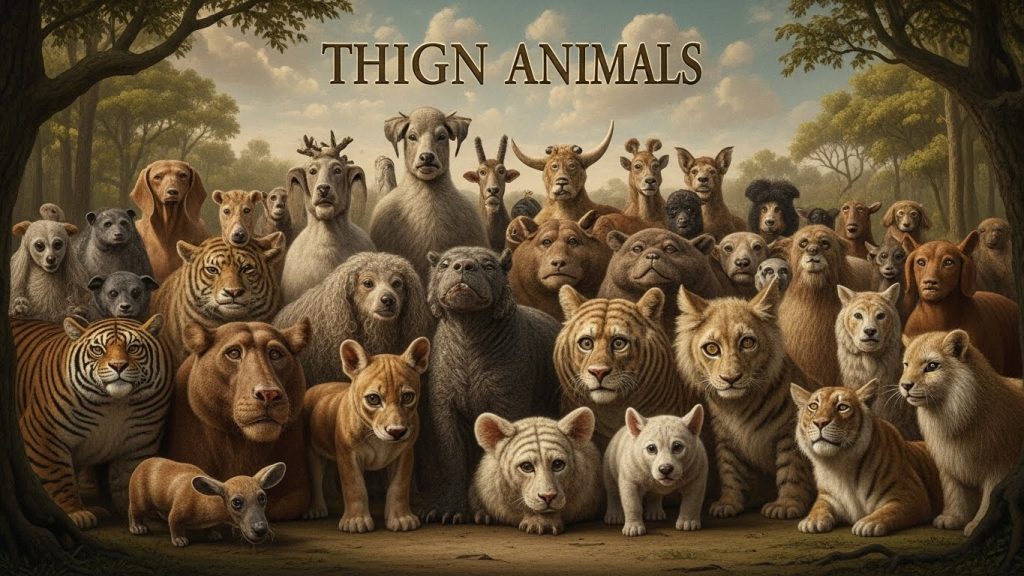
With the end of human noise, wildlife will begin to descend into the cities. One year later, it will become commonplace to see deer grazing on highways or birds of prey nesting atop skyscrapers. However, the situation is not so bright for domestic animals; species dependent on humans will struggle to survive, while those with wilder instincts (like cats and wolves) will become the masters of the new world.
Conclusion: Earth Does Not Need Us This scenario reminds us of a shocking truth: The Earth does not need us to survive; but we need the Earth to survive. When we are gone, the planet heals, breathes, and moves on.
Perhaps this 1-year simulation teaches us the biggest lesson on how we should treat our planet while we are still here.
You Might Also Like;